Thinking about selling your Chattanooga home this year? The timing can make a real difference, but so can the work you do before your home ever hits the market. If you want to stand out in a balanced market, the goal is not to do everything. It is to do the right things at the right time. Let’s dive in.
Chattanooga listing timing
Chattanooga’s market data points to an active spring season, but not an overly frenzied one. The Greater Chattanooga REALTORS® March 2026 report showed 3,506 homes for sale, a 4.0-month supply, 64 days on market, and a median sales price of $340,750. In the week ending April 18, 2026, the area had 360 new listings and 265 pending sales, which shows steady activity along with growing inventory.
That matters because buyers have options. Realtor.com described Chattanooga as a balanced market in March 2026 and reported that homes sold for an average of 1.49% below asking. In a market like this, strong presentation and realistic pricing tend to matter just as much as timing.
Why spring often makes sense
National timing research still supports spring as a strong selling window. Realtor.com identified April 12 to 18, 2026 as the best week to sell nationally, while Zillow found that late May has historically produced the strongest sale-price lift. Zillow also noted that many homeowners start thinking about selling three to four months before they list.
For a Chattanooga seller, that means spring is often the target, but winter or very early spring is when the work begins. If you wait until the market feels busy, you may already be behind on repairs, cleaning, and photo-ready prep. A smoother launch usually starts earlier than most people expect.
When to start preparing
If your goal is a spring listing, start planning several months in advance. That gives you time to make decisions without rushing and helps you avoid last-minute stress. It also gives you room to gather disclosures, schedule any needed estimates, and handle smaller fixes that buyers notice right away.
A simple planning timeline can help:
| Time Before Listing | What To Focus On |
|---|---|
| 3 to 4 months | Walk through the home, make a repair list, gather records, discuss pricing strategy |
| 1 to 2 months | Declutter, deep clean, paint where needed, improve curb appeal |
| 2 to 3 weeks | Finish minor repairs, stage key rooms, prepare for photos |
| Final days | Complete showing checklist, organize disclosures, confirm launch details |
Prep your home for visible value
Before listing, focus on the updates buyers can actually see and feel. According to NAR consumer guidance, the most common pre-listing improvements are decluttering, cleaning the whole home, and improving curb appeal. These are practical steps that can make your home feel more cared for without taking on a major remodel.
In many cases, visible value beats expensive projects. Clean windows, carpets, lighting fixtures, and walls. Add neutral paint where needed, and fix everyday issues that signal deferred maintenance.
Minor repairs often carry more weight than sellers expect. Sticky doors, torn screens, cracked caulking, and dripping faucets can distract buyers from the home’s strengths. Taking care of those items before you list can help your home feel move-in ready.
Prioritize these pre-listing tasks
If you want a practical place to start, focus on this short list:
- Declutter each room so the space feels open
- Deep clean floors, walls, windows, and fixtures
- Touch up or repaint with neutral colors where needed
- Repair small issues like leaks, damaged screens, and sticking doors
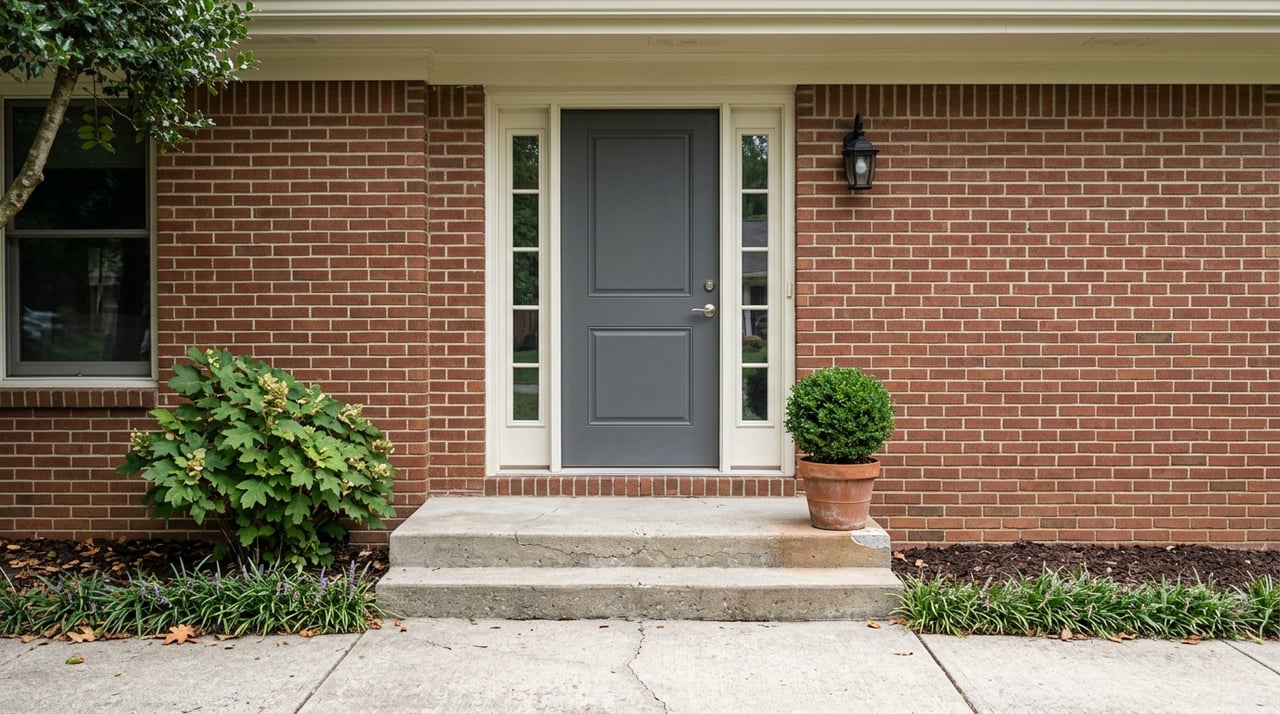
- Refresh the front entry and tidy landscaping
- Edge walkways and trim bushes
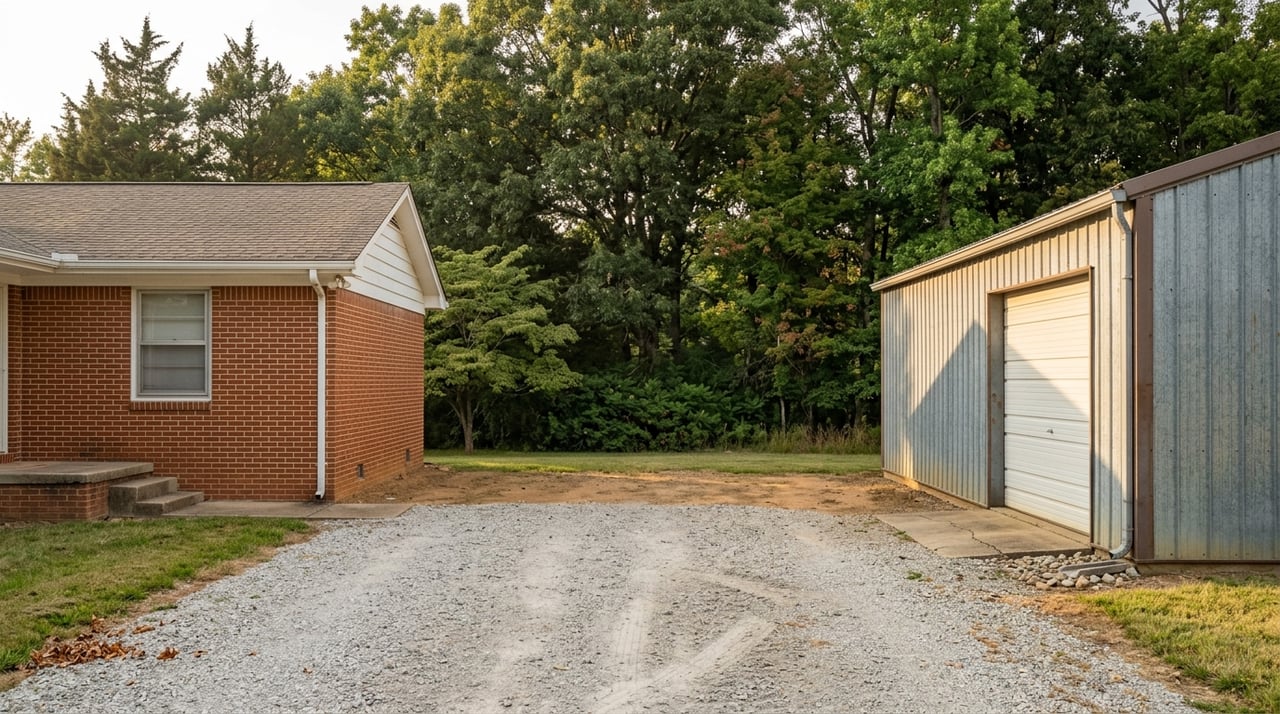
- Add simple seasonal color outdoors if appropriate
NAR specifically recommends trimming bushes, freshening the front entry, edging walkways, and using bright flowers or seasonal touches outside. These details help shape the first impression before buyers even step inside.
Stage the rooms that matter most
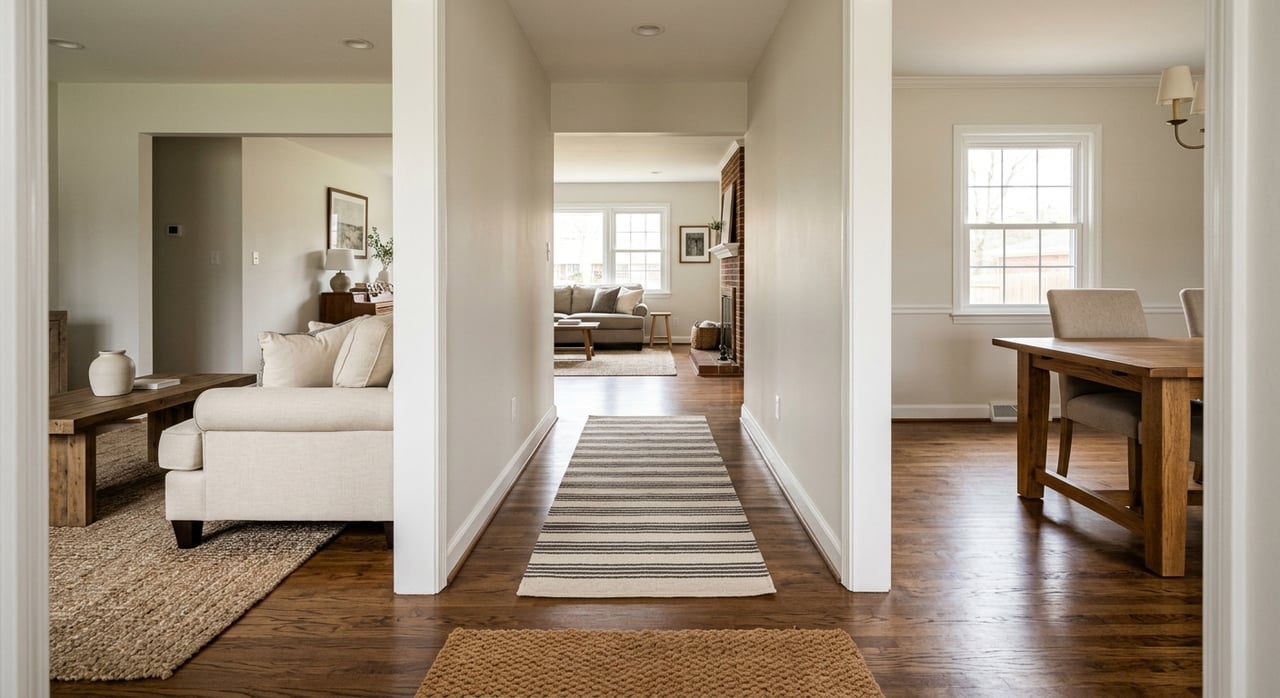
Staging does not have to mean renting a truckload of furniture. It often means arranging what you already have so rooms feel larger, brighter, and easier to understand. NAR reported that 83% of buyers’ agents said staging made it easier for buyers to visualize a property as a future home.
That same research found that 29% of buyers’ agents reported staging increased the dollar value offered by 1% to 10%. The rooms most often staged were the living room, primary bedroom, and dining room. If your time or budget is limited, those spaces are a smart place to focus.
Photos, videos, and virtual tours also matter to buyers. That means your home should be prepared not only for in-person showings, but for the first impression buyers get online. Clean, bright, uncluttered spaces usually perform better than overly personalized or crowded rooms.
Decide how to handle bigger issues
Not every home is going to be perfect before it hits the market. If you know about a larger issue, the key is to deal with it strategically instead of hoping it will go unnoticed. NAR advises sellers to get estimates for significant repairs such as roof, HVAC, or appliance replacement before listing.
That does not always mean you must complete every major repair. In some cases, the better move may be to repair the issue. In others, it may make more sense to offer a credit or price the home with the condition in mind.
The important part is being prepared. Buyers will often factor those costs into negotiations, so having estimates early can help you make a clearer pricing and negotiation plan.
Create a smooth showing experience
In a balanced market, buyers may compare several homes before making a decision. That makes your showing strategy more important. A home that feels easy to tour, bright, and well maintained can leave a stronger impression than one with obvious distractions.
Before every showing, NAR recommends:
- Clearing counters and wiping surfaces
- Neutralizing odors
- Swapping out towels if needed
- Opening all window treatments
- Turning on all lights
- Disabling alarms
- Tidying outdoor areas
- Locking up valuables and medication
- Taking pets with you if possible
- Leaving the home during the showing
These steps are simple, but they reduce friction for buyers. When people can move comfortably through the home and focus on the space itself, they are less likely to get hung up on avoidable details.
Get Tennessee disclosures ready early
One of the most overlooked parts of listing prep is paperwork. In Tennessee, most residential sellers are required under the Residential Property Disclosure Act to provide either a disclosure statement with known material defects or, if the buyer waives disclosure, a disclaimer that the property is being sold as is.
Tennessee guidance says the disclosure can include the property’s age and amenities, known defects or malfunctions, environmental hazards, flood or drainage issues, encroachments, and unpermitted work. The state also notes that failure to disclose can cancel a contract or lead to legal action. The disclosure reflects the owner’s representations, and the owner is not required to inspect the property in order to complete it.
If your home was built before 1978, lead-based paint rules also apply. Sellers must disclose known lead-based paint hazards, provide available records and reports, give buyers the required EPA pamphlet, include a lead warning statement, and allow a 10-day testing period. If that applies to your home, gather those records before the listing goes live.
Price and prep work together
A lot of sellers hope timing alone will carry the sale. In Chattanooga’s current conditions, that is a risky assumption. Realtor’s spring seller survey found that many would-be sellers expected to get asking price or more, but the report also cautioned that expectations vary by region and that concessions are increasingly part of the conversation.
That is why pricing discipline matters. A well-timed listing still needs the right presentation, a realistic strategy, and a clear plan for showings and negotiations. Timing can open the door, but prep and pricing are what help you walk through it successfully.
A practical Chattanooga seller plan
If you want the simplest path forward, aim for a home that feels clean, well maintained, and easy to tour. Start early enough to handle repairs and disclosures without pressure. Then launch with a pricing strategy that reflects today’s balanced Chattanooga market.
That kind of process is where clear communication makes a difference. If you want a straightforward plan for when to list, what to fix, and how to get your home market-ready in Chattanooga, Jim Swafford can help you map out the next steps with a practical, clients-first approach.
FAQs
When is the best time to list a home in Chattanooga?
- Chattanooga data suggests spring is an active selling season, and national research points to April and late May as strong windows, but the best results usually come when you start preparing several months ahead.
What should I do before listing my Chattanooga home?
- Focus on decluttering, deep cleaning, curb appeal, neutral paint, and minor repairs like dripping faucets, sticky doors, torn screens, and cracked caulking.
Should I remodel before selling a home in Chattanooga?
- In most cases, visible cosmetic improvements and maintenance are a better pre-listing investment than major remodeling, unless a larger issue needs to be addressed for pricing or negotiation reasons.
What rooms should I stage before selling a Chattanooga house?
- The most common rooms to prioritize are the living room, primary bedroom, and dining room, since staging those spaces can help buyers better picture the home.
What disclosures do Tennessee home sellers need?
- Most Tennessee sellers need to provide a disclosure statement about known material defects or, if the buyer waives disclosure, a disclaimer that the property is being sold as is.
What if my Chattanooga home was built before 1978?
- If your home was built before 1978, you should be ready to provide any available lead-related records, disclose known lead-based paint hazards, include the required warning statement, and allow the buyer a 10-day testing period.